Journal/Photos
What to Put on Your Wedding Photo Shot List
Handing your photographer an exhaustive checklist often backfires by pulling their focus away from candid moments. A focused list of 15 family groupings and up to ten special requests works much better.
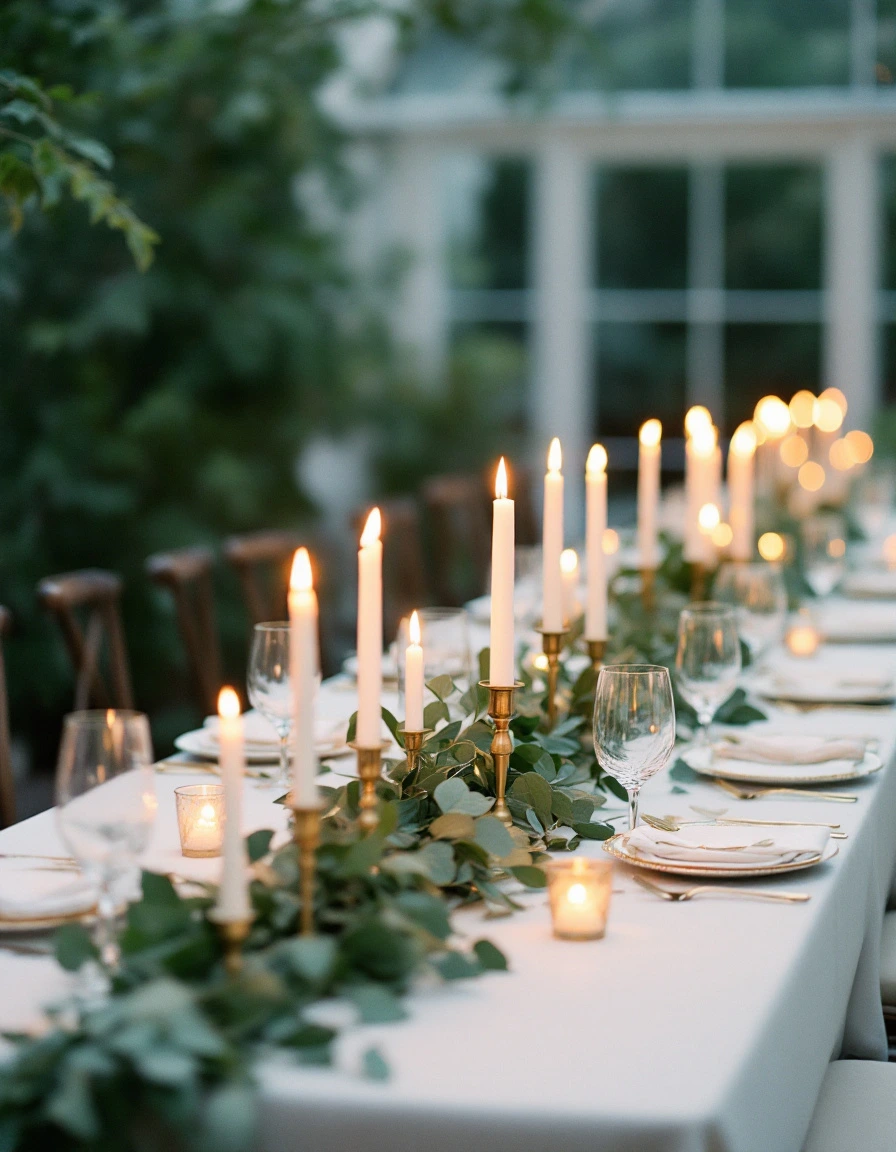
A short list works better than a long one. Give your photographer a family-groupings list capped around 15 combinations, and a separate list of up to ten must-have shots: the ones nobody would think to take without being told. Skip the shot-by-shot itinerary for the ceremony, the reception and the getting-ready hour. Photographers already know how to shoot those.
Julie Palmer, a wedding photographer, calls her version of this a “Top 10 Must Have Shot List,” photos she “wouldn’t know to take” on her own. She draws the line there deliberately: “If we go beyond 10, it now becomes a case of missing candid opportunities”. Her style is candid-first, and a long list pulls her attention away from what’s happening in front of her toward what’s written on a page.
Dan Wagner, a wedding photographer on Long Island, makes the same point from a different angle. He says he doesn’t need a shot list for standard coverage because he already has “an extensive shot list in my head” after years of shooting weddings. What he wants from couples is narrower: “a list of special shots”, the non-traditional requests specific to that wedding, not a rundown of the first kiss and the cake cutting.
What belongs on the family list
Family formals are the one part of the day where a list is not optional. Michelle Poteet, a wedding photographer, reads straight down a prewritten list rather than improvising groupings on the spot: “This part of the day goes SO much smoother when I can just read down the list, instead of someone trying to figure out additional groupings they want on the fly”. She recommends capping the list at 15 groupings. At that length, the session runs about 30 minutes if everyone shows up on time. Go past 15 and you need to budget 45 minutes to an hour instead.
This lines up with other photographers’ numbers. Suess Moments, a wedding photography studio, tells couples to limit the family list to 15 groupings per 30-minute block, and adds two minutes per group for anything beyond that. Two different photographers landing on the same number is a decent sign that 15 is a practical ceiling.
Extended family combinations, aunts, uncles, cousins, don’t have to be part of the formal session at all. Poteet’s advice: take those during the reception instead, so the formal block stays reserved for immediate family. That’s how a 15-grouping list stays realistic instead of quietly growing to 25.
The list also needs an owner who isn’t the photographer. Poteet is blunt about why: “I don’t know what your family members look like, so I won’t be able to do this”. Someone else has to go find Uncle Steve when he wanders off toward the bar. Ebony Logins, a wedding photographer, says the same thing from the couple’s side: give the photographer a master list, then “assign someone from the bridal party to assist you in gathering the relatives”. Wagner agrees and goes further, saying the family list should go to a few family members “whose job will be gathering people for each shot” so the photographer can keep shooting instead of managing logistics.
What belongs on the must-have list
Outside the family formals, the only list worth writing is a short one for things the photographer has no way to anticipate: a grandmother’s ring worn on a necklace, a childhood photo tucked into a bouquet, a specific inside joke someone wants documented. Palmer’s ten-shot ceiling and Wagner’s “list of special shots” both point at the same category. Standard moments (first look, processional, toasts, cake cutting) don’t need to be listed, because any photographer with wedding experience is already covering them.
Ebony Logins raises one category that fits this list well: gift exchanges. She advises asking in the wedding day questionnaire whether the couple plans on exchanging gifts with their wedding party, with each other, or with their parents, so that the emotional, unscripted moment of opening them doesn’t get missed.
If you’re supplying detail shots, rings, invitations, shoes, for a flat-lay, know that gathering and shooting them takes time on its own. Lindsey Topham, a wedding photographer, says it typically takes about 20 minutes to photograph the dress and all the small details once everything is in one place. That’s worth building into the timeline rather than assuming it happens in the gaps.
What to leave off
A few categories are worth cutting outright rather than trimming. Logins says photographers don’t need “500 images of the wedding party getting ready”, and that the getting-ready block is better spent building rapport with the bridal party than chasing exhaustive coverage. Table-to-table reception photos are another one to skip: Wagner says couples don’t want them and photographers don’t want to shoot them, because couples don’t want to inconvenience guests mid-meal and photographers find the format frustrating.
If you want dedicated creative portraits of the two of you, that’s a separate block worth scheduling on purpose. Logins suggests 1.5 to 3 hours for creative imagery, depending on what you’re trying to get out of it.
Why long lists backfire
The case against long lists goes beyond photographer preference. Bergreen Photography, a wedding photography studio, points out that shooting strictly off a list can push a photographer toward re-staging moments instead of catching them: “Wait, can you pretend to zip up the dress again so I can get that shot” instead of catching “the mom tearing up as she looks at her daughter in her wedding dress”. A checklist mentality also risks spending time on shots that end up not mattering to anyone. Wagner names the mechanism directly: “Those spontaneous shots we all know and love may suffer because your photographer is busy working on a long shot list”.
Not everyone in the wedding industry agrees with this approach. The Knot, a wedding media outlet, tells couples to ask to see a photographer’s shot list or hand over “this wedding photography checklist,” implying more coverage is safer. That advice reflects a wish to make sure nothing gets missed. The photographers actually shooting weddings, Palmer, Logins, Poteet, Wagner, describe the opposite problem: a list long enough to reassure a couple is also long enough to compete with the photographer’s attention during the parts of the day that can’t be restaged. A 15-item family list, a ten-item must-have list, and reliance on the photographer’s own mental checklist for the rest synthesizes the practical approaches these photographers describe.
Questions couples ask
How many groupings should be on a family photo shot list?
Cap your family formal list at roughly 15 groupings, which typically takes about 30 minutes to complete. Anything beyond 15 will require budgeting 45 minutes to an hour of portrait time.
What shots should be left off a wedding shot list?
Leave off standard coverage like the first kiss, toasts, processional, and cake cutting, which experienced photographers already cover automatically. You should also skip table-to-table dinner shots and excessive getting-ready photos.
Who should manage the family shot list on the wedding day?
Give the list to a designated bridal party member or relative whose job is to gather people for each shot. Photographers do not know what your relatives look like and need to focus on shooting rather than managing logistics.